AR vs VR: Key Differences & Use Cases
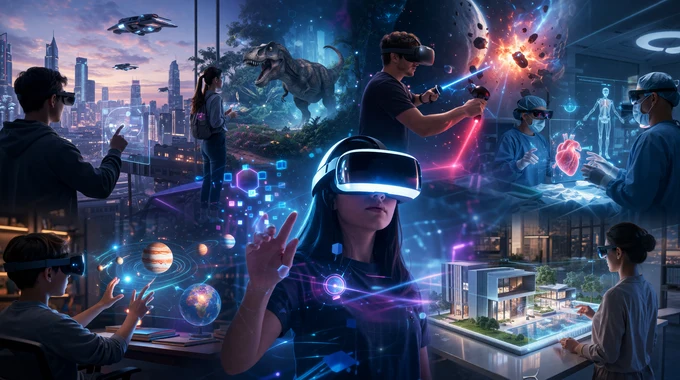
In today’s rapidly evolving digital world, immersive technologies like Augmented Reality (AR) and Virtual Reality (VR) are transforming how businesses interact with customers and how users experience digital content.
From gaming and education to real estate and healthcare, AR and VR are no longer futuristic concepts, they are powerful tools shaping the present.
But many people still ask:
What’s the difference between AR and VR, and which one is right for your business?
What is Augmented Reality (AR)?
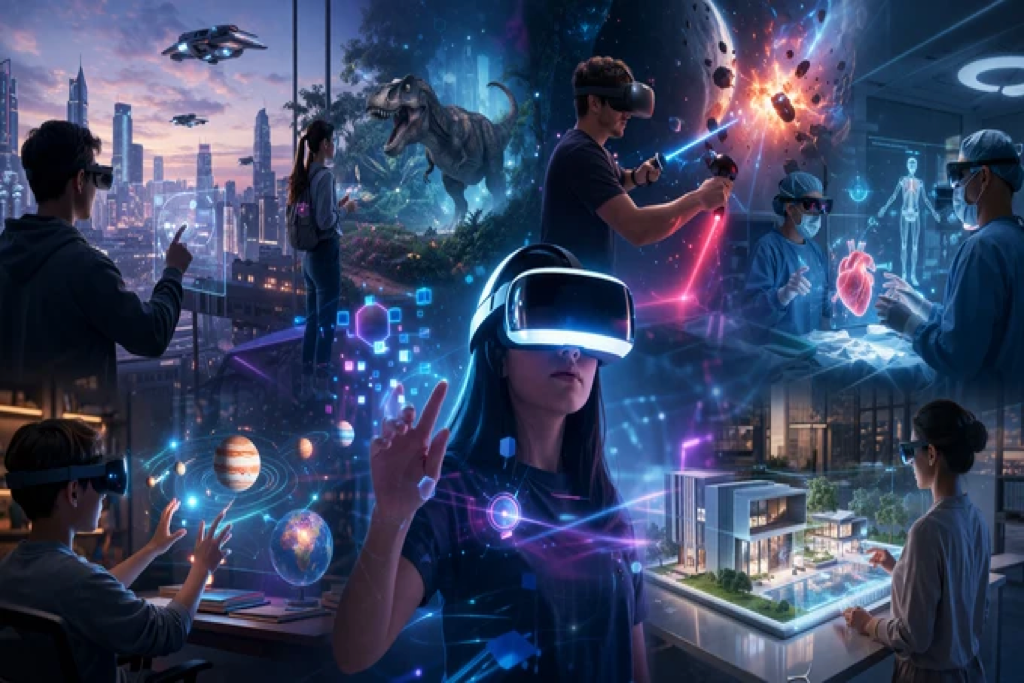
Augmented Reality (AR) enhances the real world by overlaying digital elements such as images, sounds, or data onto your physical environment.
Key Features of AR:
- Combines real-world and digital content
- Works on smartphones, tablets, and AR glasses
- No need for a fully immersive setup
Examples of AR:
- Instagram & Snapchat filters
- Pokémon GO
- Virtual furniture placement apps
Business Use Cases of AR:
- Retail: Virtual try-ons (clothes, makeup, eyewear)
- Real Estate: Property visualization
- Education: Interactive learning experiences
- Marketing: Engaging ad campaigns
What is Virtual Reality (VR)?

Virtual Reality (VR) creates a completely immersive digital environment that replaces the real world. Users interact with this environment using VR headsets.
Key Features of VR:
- Fully immersive experience
- Requires VR devices (headsets, controllers)
- Blocks out the real world
Examples of VR:
- VR gaming (like Beat Saber)
- Virtual tours
- Simulation training
Business Use Cases of VR:
- Training & Simulation: Aviation, healthcare, manufacturing
- Real Estate: Virtual property tours
- Education: Virtual classrooms
- Entertainment: Gaming & immersive storytelling
AR vs VR: Key Differences

| Feature | Augmented Reality (AR) | Virtual Reality (VR) |
|---|---|---|
| Environment | Real world + digital overlay | Fully virtual environment |
| Immersion Level | Low to medium | High |
| Devices Required | Smartphone, tablet, AR glasses | VR headset, controllers |
| User Experience | Enhances reality | Replaces reality |
| Accessibility | Easy & widely accessible | Requires specialized hardware |
AR vs VR: Which One Should You Choose?
The choice between AR and VR depends on your business goals:
Choose AR if:
- You want to engage users through mobile devices
- You need cost-effective solutions
- You want to enhance real-world experiences
Choose VR if:
- You need full immersion (training, simulations)
- You want to create virtual environments
- You’re targeting high-end user experiences
Future of AR & VR in Business
AR and VR are expected to grow significantly in the coming years, driven by advancements in AI, 5G, and wearable devices.
Emerging Trends:
- Metaverse integration
- Virtual collaboration workspaces
- AI-powered immersive experiences
- AR shopping experiences
Businesses that adopt these technologies early will gain a competitive edge in customer engagement and innovation.
The Reality
- It’s still in its early stages
- Adoption is growing, but not universal
- Best suited for specific industries (gaming, retail, training, real estate)
Conclusion
Ready to bring immersive experiences to your business?
At MEPROTECH, we help you leverage cutting-edge technologies like AR, VR, and AI to create powerful digital solutions that engage, convert, and grow your business.
Contact us today to explore how AR & VR can transform your business ideas into reality.
Let’s build the future of digital experiences, together!
AR and VR are revolutionizing the way we interact with digital content. While AR enhances the real world, VR creates entirely new ones.
Both technologies have unique strengths and powerful use cases across industries. The key is to choose the right solution based on your business needs and audience.
As technology continues to evolve, AR and VR will become essential tools, not just for innovation, but for staying competitive in the digital age.